Meet Us
Get to know the people who bring passion and skill to our team every day
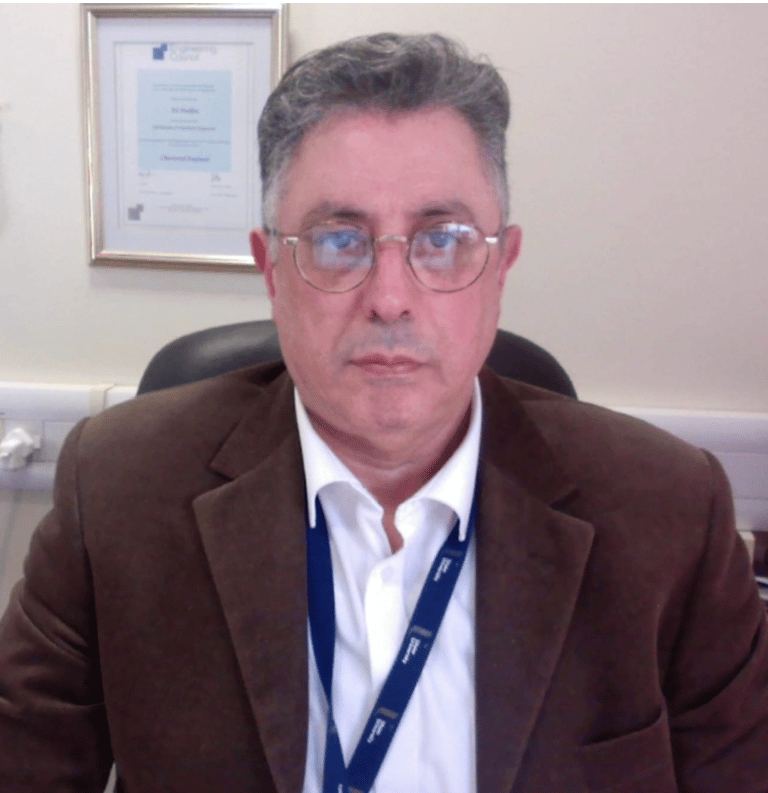
Dr. Fahad ul Rehman Abro's journey into civil engineering began far from the walls of any university. Growing up in Hala New, a small town in Sindh Province, Pakistan, he was shaped by a deep sense of community and an early awareness of how infrastructure shapes everyday life. Around 2006, as he considered his career path, he found himself increasingly drawn to the scale and ambition of large construction projects, bridges stretching across rivers, high-rise buildings rising from the ground, entire cities being built from the earth up. It was not merely the spectacle that captivated him, but the underlying question: how are these complex structures conceived, designed, and made to endure?
That curiosity led him to pursue a Bachelor's and Master's degree in Civil Engineering at Quaid-e-Awam University of Engineering and Technology, Nawabshah, Pakistan an institution that grounded him in both technical rigour and engineering purpose. Seeking to deepen his expertise, he went on to earn his PhD in Structural Engineering from Sungkyunkwan University, South Korea, one of Asia's most respected research institutions. It was there that his research identity truly took shape, refined through international academic exposure and a growing passion for understanding how structures respond to extreme conditions. Today, Dr. Abro serves as a Senior Research Fellow at Ulster University, pursuing research at the intersection of structural performance, material innovation, and long-term sustainability.
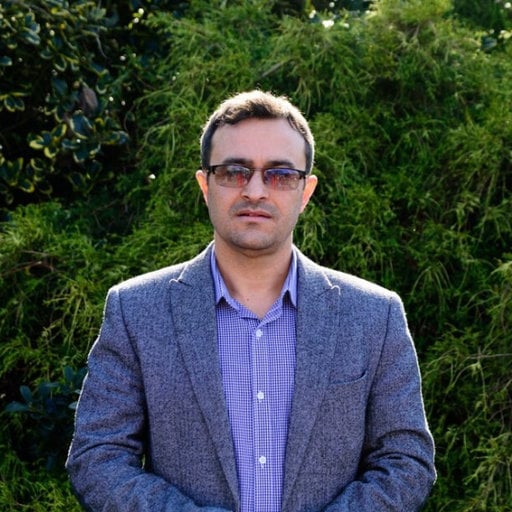
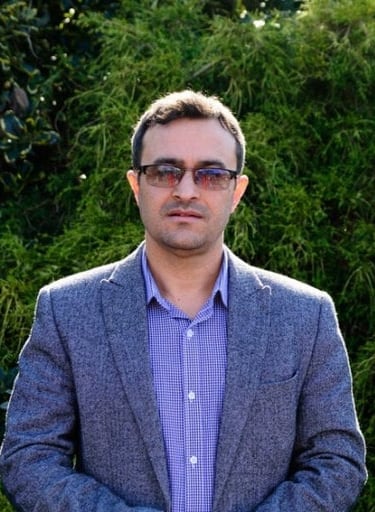
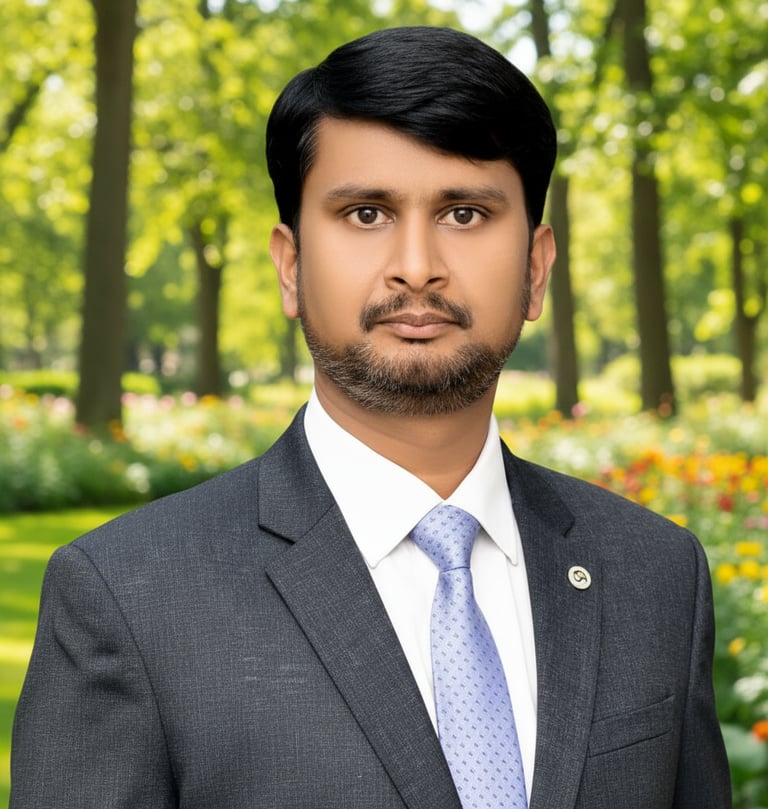
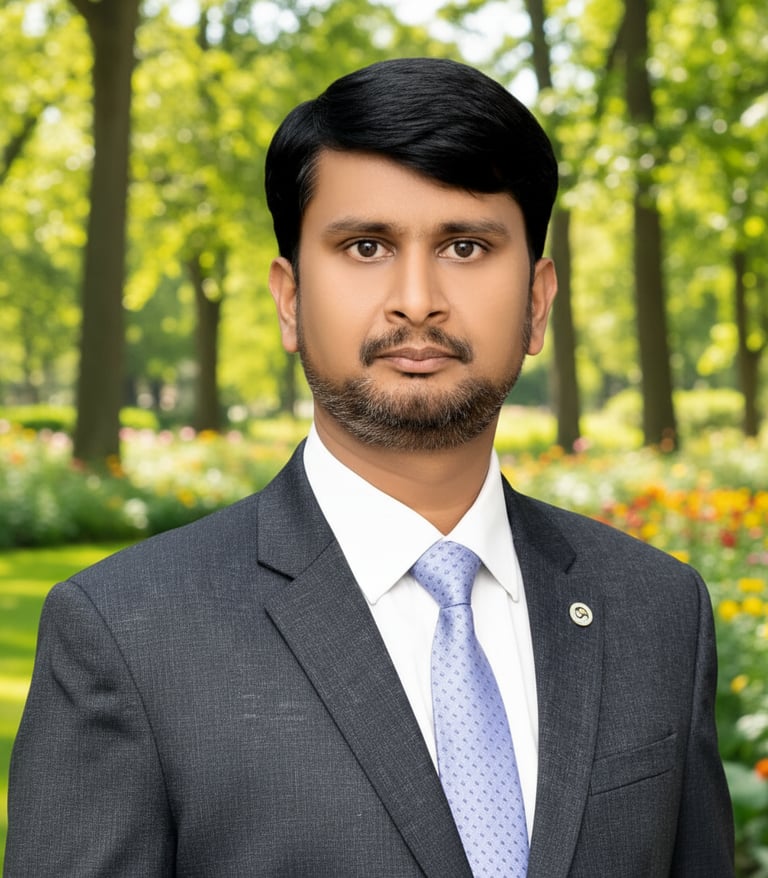
Dr. Naveed Alam is a Lecturer in Civil Engineering at Ulster University, based at the internationally recognised Fire Safety Engineering Research and Technology Centre (FireSERT). He completed his PhD at Ulster University, with doctoral research focused on the structural response of slim floor systems under fire, followed by large-scale experimental investigations into compartment travelling fires. He is a Fellow of the Higher Education Academy (FHEA).
Prior to joining Ulster University in 2020, Dr. Alam built extensive experience across both academia and industry, serving as a site engineer, structural engineer, and project manager on Disaster Risk Mitigation projects, and leading disaster response teams in the field. His earlier research includes the development of damage probability matrices and fragility assessments for existing building stock, with direct relevance to earthquake preparedness.
His research portfolio spans travelling fires, slim floors in fire, collapse mechanisms, fire performance of concrete with alternative cementitious materials, modular construction, and structures under seismic loads. He has cultivated a broad international research network across the UK, Europe, Africa, and Asia, and is currently at the forefront of a largely unexplored field the fire performance of self-healing concrete.
Our Story
The Collaboration
Our research is motivated by a clear and largely unaddressed gap in the scientific literature. While self-healing concrete has gained considerable attention for its ability to autonomously repair cracks and extend structural service life, its behaviour under fire conditions has remained almost entirely unstudied. No comprehensive analysis exists examining how self-healing mechanisms perform when subjected to the extreme thermal stresses of a fire event. This is not a minor omission — fire remains one of the most critical and destructive hazards that civil infrastructure must contend with, and this gap demands urgent scientific attention.
Based at Ulster University's FireSERT Centre, we are undertaking what we believe to be pioneering experimental and analytical work in this domain. Through rigorous laboratory testing, we aim to characterise the fire response of self-healing concrete, identify the conditions under which healing mechanisms remain effective, and establish a scientific foundation that does not yet exist.
Vission
Vision of TraaSH is to advance self-healing concrete that contributes to safer, and sustainable infrastructure, with a particular focus on its performance during and after fire exposure. TraaSH aim to understand how elevated temperatures influence the physical, chemical and microstructural processes that govern damage and healing in cementitious materials.
By combining experimental testing, thermal and microstructural characterisation, and computational modelling, the project aims to generate reliable evidence for assessing residual performance and developing fire-resilient self-healing composites. Our broader ambition is to translate this knowledge into practical approaches that inform material selection, structural assessment and post-fire rehabilitation. In the long term, we envision a built environment where concrete structures are designed not only to withstand damage but also to support recovery, extend service life and reduce the need for resource-intensive repair and replacement. Through scientific collaboration and knowledge exchange, TraaSH seeks to help reduce construction waste, conserve natural resources and strengthen the resilience of infrastructure for future generations.
Team
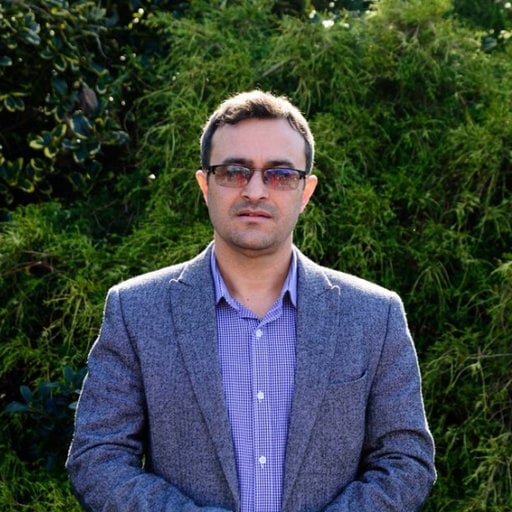
Dr. Fahad ul Rehman Abro
Dr. Naveed Alam
Prof. Dr. Ali Nadjai
Principle Investigator and Senior Lecturer
Senior Research Fellow
Director (FireSERT)